Get Life Insurance Options After a Careful Look in Palm Desert, CA
Start by naming what the cover must pay for: lost income, a mortgage balance, children's costs or a funeral. Then answer a few short questions on this page, and a licensed agent who covers your town follows up with term life, whole life or final expense options. The steps are the same in Rancho Mirage and La Quinta.
- No cost to use
- No obligation to buy
- About two minutes of questions
- Options built on your answers
Coverage options for Palm Desert families
Answer six short questions and a licensed agent will follow up with options that fit your situation.
- Takes about two minutes
- No obligation to buy
- Your details stay private
Free, no obligation
See your coverage options
Six short questions. About two minutes.
What Moves the Price of a Policy
No two policies are priced alike, because each premium is built from facts about you and about the cover you choose. Six inputs do most of the work. The insurance company weighs them and sets the final figure only after it reviews an application.
There is no figure until an application has been reviewed. The agent who contacts you can show how each of these inputs plays out against your own answers before you decide whether to apply.
- Age
- An insurer prices the chance of a claim over the years a policy runs, and that chance rises with age. Age at the time you apply is one of the strongest inputs, which is why date of birth is asked so early.
- Health
- The application asks about conditions, medications and recent treatment. When an exam is included, readings such as blood pressure and lab results are added. Insurers place applicants in rate classes from this information, and the class shapes much of the premium.
- Tobacco use
- Smoking and other tobacco use generally move an applicant into a separate, higher-priced rate class. That is why the application asks about it directly.
- Amount of cover
- The premium scales with the sum the policy would pay out. Many people build that sum from the debts and income it should cover instead of picking a round number.
- Length of the term
- For term life, the length changes the yearly premium. A 30-year term generally carries a higher yearly premium than a 10-year term for the same amount, because it reaches into older ages when claims are more likely.
- Kind of policy
- Whole life and final expense stay in force for life, so the insurer expects to pay a claim at some point, and whole life also carries cash value. Term life ends after a set number of years. Those differences show up directly in what each kind costs to hold.
The Kinds of Life Insurance Policy
Term life runs for a fixed number of years, often matched to the years left on a mortgage or until children are grown, and stops when that stretch ends. Whole life stays in force for life and builds cash value, a feature the agent who contacts you can explain in detail. Final expense is a smaller whole life policy meant for funeral costs. Term Life Insurance, Whole Life Insurance and Final Expense Insurance each have a page of their own.
Term Life Insurance
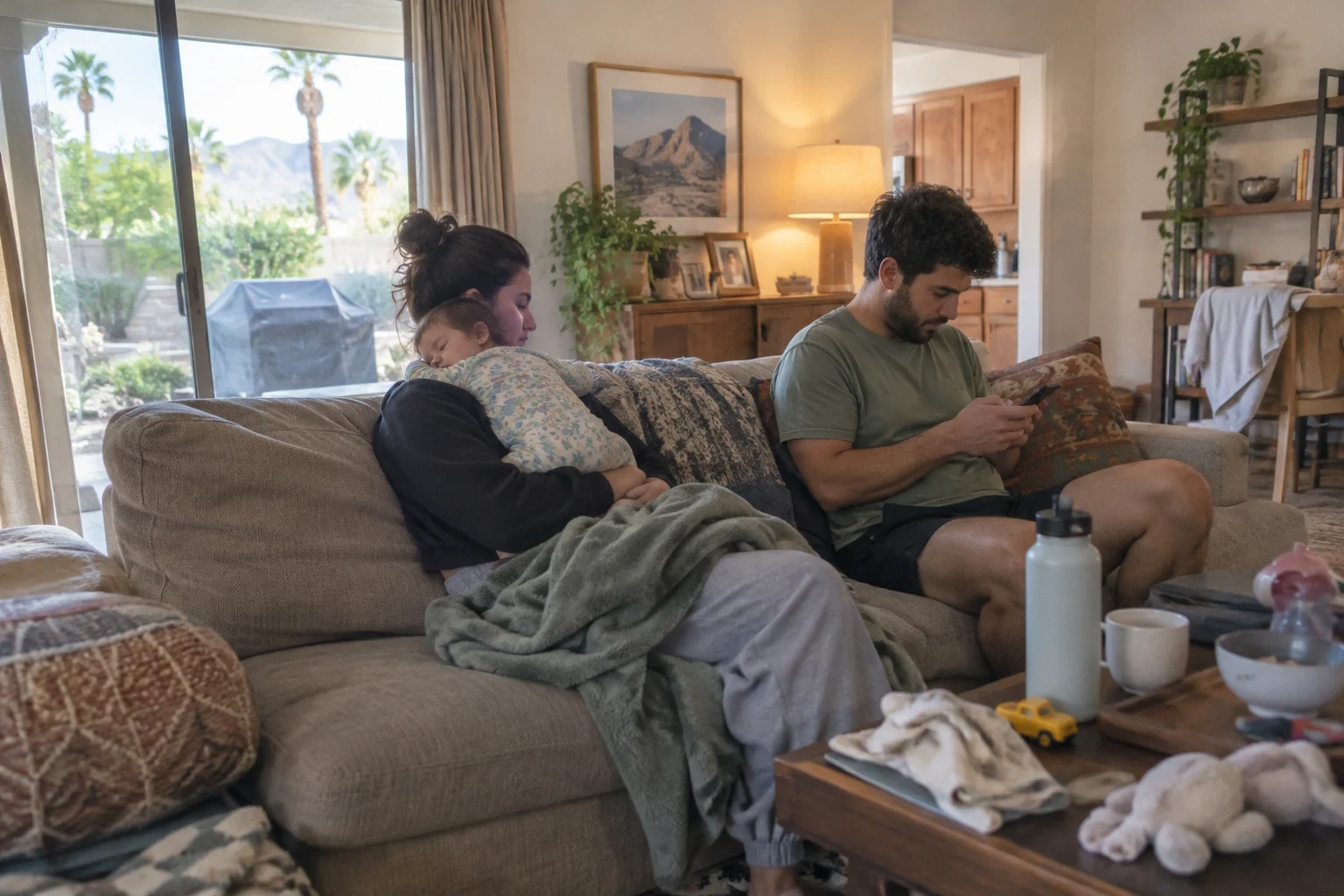
Coverage for a fixed span such as 10, 20 or 30 years, sized to the years your mortgage, income or children's costs need protecting.

Whole Life Insurance
Cover that lasts for life and builds cash value, explained part by part so you know what to ask before you choose a policy.
Final Expense Insurance
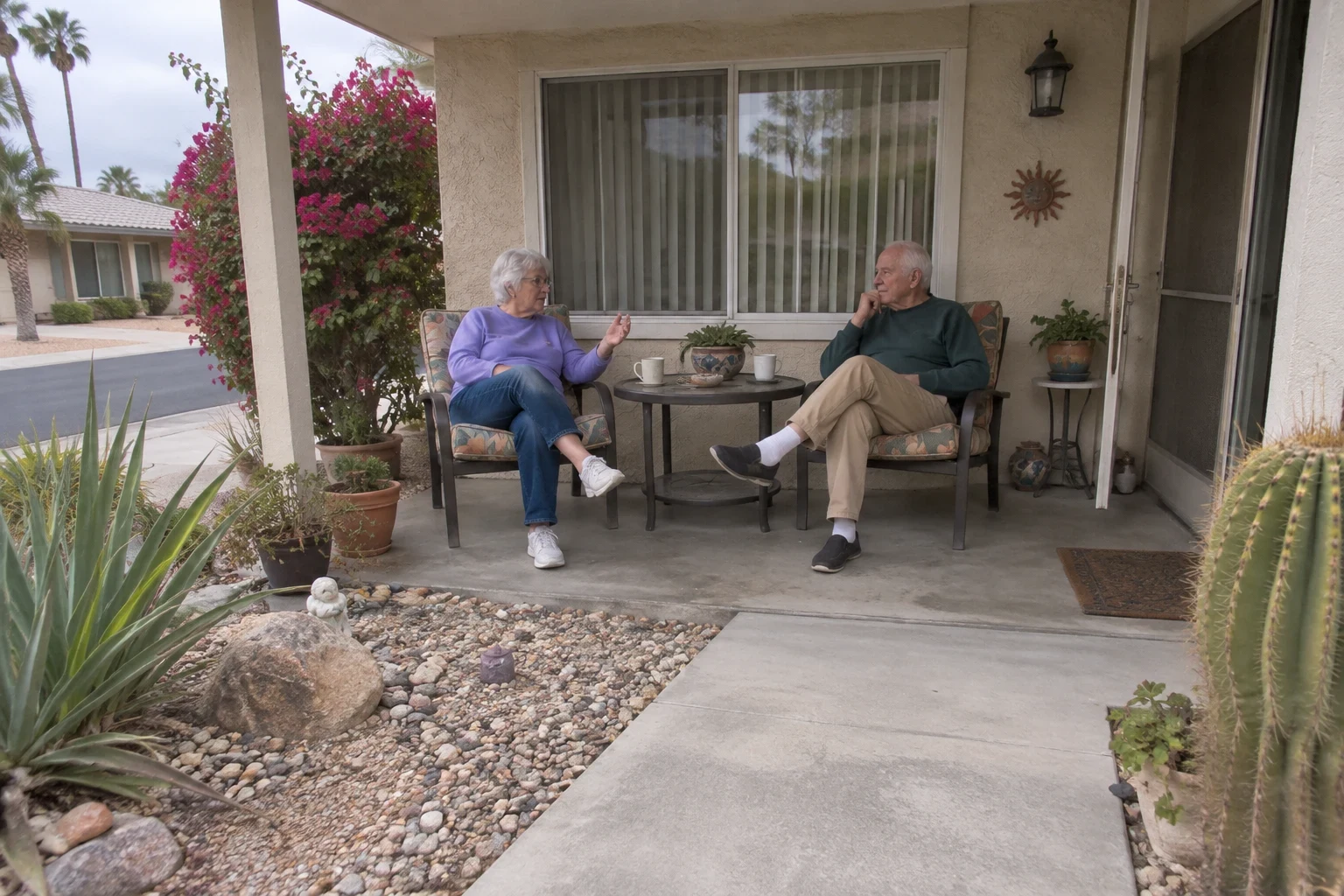
A small whole life policy sized for a funeral and the last bills, with a shorter application than larger coverage usually needs.
Palm Desert and the Towns Around It
You can start from Palm Desert, Rancho Mirage, Indian Wells, La Quinta, Indio, Cathedral City, Palm Springs, Bermuda Dunes, Thousand Palms, Desert Palms or Coachella. The form, the questions and the order of steps are identical in each one.
- Palm Desert
- Rancho Mirage
- Bermuda Dunes
- Thousand Palms
- Desert Palms
- Indian Wells
- Indio
- Cathedral City
- La Quinta
- Palm Springs
- Coachella
The only thing that changes from town to town is which agent covers your area. The Service Areas page lists the towns in full.
How Life Insurance Palm Desert Works
The order matters. Questions about what the cover is for come before any talk of a policy, since a policy chosen before its purpose is clear can easily run too long, too short, too large or too small.
Purpose before product
Before any policy name comes up, the form asks about the amount you have in mind and the person it would protect. A term length or a kind of policy only makes sense once you know what the money is meant to do, so we keep that order.
Each question has a reason
Date of birth is asked because age is one of the main inputs to price. The beneficiary's name is asked because a policy pays a named person. Marital status matters because a spouse often shapes both the amount and who is named.
Explanations without a push
These pages lay out the trade-offs people tend to think through, and the final call rests with you and the agent. You will not find rankings, countdowns or warnings designed to hurry you.
You set the pace
Nothing happens until you send your answers. You can read the policy pages first, work through the example in the questions below, and start when it suits you.
How Applying Usually Works
Applying for life insurance tends to follow the same order each time. Seeing it ahead of time removes most of the surprises.
- 1
Answer the short questions
The form asks for your state, the amount of cover you have in mind, your marital status, the beneficiary's name, your date of birth and how to reach you. It takes about two minutes.
- 2
Go over it with the agent
The agent who contacts you asks about the income, debts and plans behind your amount, then sets out options that fit those answers. You make the decision.
- 3
Health questions, sometimes an exam
The application covers your health history and tobacco use. Some policies also call for a medical exam. Others skip the exam, and those usually cost more or cover less.
- 4
The insurance company decides
The insurer reviews your application and decides whether to offer a policy and on what terms. The insurance company, not us, decides on coverage, price and approval. When a policy is issued, read it carefully once it arrives.
Questions People Ask Before They Start
How much coverage do people usually look at?
One rule of thumb is several years of income plus debts. Treat it as a rule of thumb, not advice for your own situation. For an example only, take three 2023 Census figures for Palm Desert: a median household income of $79,508, a median home value of $491,600, and an owner-occupied share of 64%. A household at that income carrying a mortgage might begin with several years of $79,508 plus what is still owed on the home, then refine the figure with the agent.
How do I choose between term, whole life and final expense?
We do not choose for you; that decision sits with you and the agent. People tend to think about how long the need lasts and what they can keep paying. A need with an end date, such as a mortgage or the years children live at home, often leads people to term life. A lifelong need, such as funeral costs or money left to family, often leads them to look at whole life or final expense.
Do I have to buy anything after sending my answers?
No. Sending your answers starts a conversation and nothing more. You can hear the options, ask questions, take time to think and decide not to apply. Whether to apply is entirely up to you.
Why does the form ask for a beneficiary's name?
The beneficiary is the person the policy pays. Knowing the name early tells the agent who the cover is meant for, and every application asks for it in any case. You can discuss a main beneficiary and a backup with the agent.
Is a life insurance payout taxed?
Under federal law, a payout to a named person is generally not taxed as income. The details differ from case to case, so check with a tax adviser about your own situation before counting on that.
Can I cancel after the policy starts?
Yes, within a set window. Each life policy comes with a free-look period of at least 10 days, and cancelling inside it brings back the premium you paid. The exact length is written in the policy, so find it as soon as the policy reaches you.

What Life Insurance Palm Desert Is
Life Insurance Palm Desert is a free service that connects you with a licensed life insurance agent in California. We are not an insurance company, and we are not an agent. We do not sell, price or issue any policy.
We look closely at what the cover is meant to do before any kind of policy comes up. The pages on term life, whole life and final expense explain each kind in depth, and the About page covers what happens to your details once you send them.
Start With What the Cover Must Do
A rough amount and the person you would name as beneficiary are all you need to begin. The finer points can wait for the conversation with the agent.